 Nuôi Cá
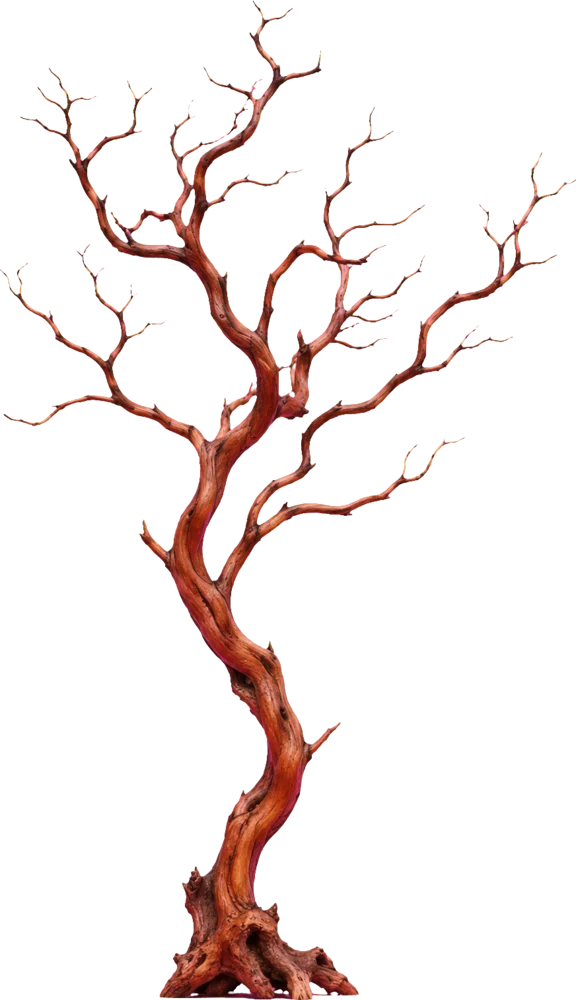
Where Manzanita wood comes from
Manzanita is the common name for species of Arctostaphylos (heath family, Ericaceae), shrubs and small trees of the dry, Mediterranean-climate west of North America, especially California. They have peeling reddish-purple bark, extremely hard, dense wood and thick, twisted branching. Aquarium manzanita comes from dead plants or dug-up stumps that are dried, stripped of bark and often sandblasted to a smooth reddish-brown finish. A branch can be anything from 20 cm to over a meter long.
Manzanita wood in an aquascape
Dry manzanita usually floats, so soak it for weeks or boil it, and weigh it down with stones or screw it to a base until it sinks for good. It releases much less tannin than most driftwood, so the water turns only slightly yellow at first, and harmless white fungus may appear. Being very hard, it lasts for years underwater and rarely rots. Use it as the main tree in the midground or background, tie moss to the tips for a canopy, or combine several branches into a forest aquascape. Small twigs can be trimmed with a hand saw. Easy to use, but it needs time to waterlog.
At a glance
- Material
- Manzanita wood
- Effect on water
- Releases tannins: tints the water, lowers pH slightly
- Place in a layout
- Stones, driftwood and decor
The effect on water is what this material usually does; real stone and wood vary from batch to batch, so soak a piece and test pH and KH before it goes in the tank.
In the Nuôi Cá aquarium
In the arrange tray it sits with the stones, driftwood and decor; at its base size it is about 31 cm tall, and you can scale it, flip it and set it nearer or deeper. Shrimp and snails can climb along its top to graze.
Try it in your aquarium →Sources and further reading
- OATA — freshwater aquarium care sheets (real aquarium care principles)
The "In the Nuôi Cá aquarium" part describes the 3D simulation, not real planting advice.