 Nuôi Cá
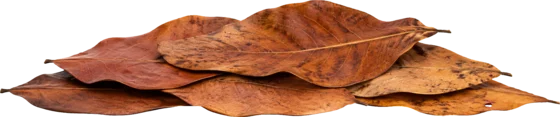
Where Indian almond leaves comes from
The tropical almond tree (Terminalia catappa, family Combretaceae) is a large tropical tree thought to be native to coastal Asia, the Pacific islands and northern Australia, and now planted throughout the tropics, including along streets all over Vietnam. Aquarists call its leaves Indian almond or catappa leaves. The leaves are large and obovate, about 15–25 cm long, and turn red or brown before they drop. These fallen red-brown leaves are rich in tannins and humic acids, and they are the ones fish keepers collect.
Indian almond leaves in an aquascape
The leaves release tannins and humic acids that stain the water tea-brown and slightly lower pH and carbonate hardness, mimicking the blackwater streams where bettas, gouramis and tetras live. Many keepers believe they reduce stress and have a mild antibacterial effect, though the evidence is limited. Rinse them, optionally scald them, and add about one leaf per 40–50 liters; they sink within days and break down over weeks, growing biofilm that shrimp graze. Remove them when they fall apart or leave them as litter. The tint reduces light, so they suit blackwater setups more than a clear planted aquarium.
At a glance
- Material
- Dried catappa leaf
- Effect on water
- Releases tannins, softens the water, lowers pH
- Place in a layout
- Stones, driftwood and decor
The effect on water is what this material usually does; real stone and wood vary from batch to batch, so soak a piece and test pH and KH before it goes in the tank.
In the Nuôi Cá aquarium
In the arrange tray it sits with the stones, driftwood and decor; at its base size it is about 12 cm wide, and you can scale it, flip it and set it nearer or deeper.
Try it in your aquarium →Sources and further reading
- OATA — freshwater aquarium care sheets (real aquarium care principles)
The "In the Nuôi Cá aquarium" part describes the 3D simulation, not real planting advice.