 Nuôi Cá
Where Staurogyne comes from
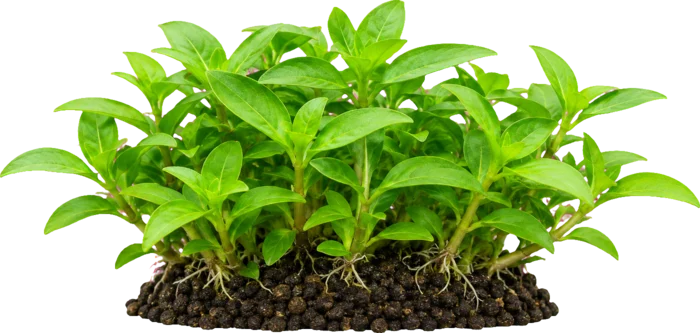
Staurogyne repens belongs to the acanthus family (Acanthaceae) and comes from Brazil, where it was recorded along the Rio Cristalino in Mato Grosso. In the wild it grows beside clear streams, partly flooded for part of the year. The short stems carry narrow leaves about 2–3 cm long, crowded at the tips, and creep sideways, branching and rooting along their length. It reached the aquarium trade around 2008 and caught on quickly as one of the few foreground plants that is both attractive and easy.
Growing Staurogyne in a planted aquarium
In a planted aquarium Staurogyne repens does well under medium light; with CO2 and a nutrient substrate it grows denser and with better leaves. To plant it, separate rooted stems and set them in the foreground or around the foot of rocks and wood. It grows slowly, spreading sideways into a low bush; when shoots get tall, cut the tops and replant them to thicken the clump. A lack of nutrients, especially potassium and iron, shows as pale or pinholed new leaves. It rarely melts, adapts to most water and grows in tanks without CO2. Easy care.
At a glance
- Scientific name
- Staurogyne repens
- Light
- Medium
- CO2
- Helpful
- Growth
- Slow
- Difficulty
- Easy
- Place in a layout
- Foreground and carpet plants
Light, CO2 and growth are typical levels; the same plant can grow differently with each tank's light, substrate and water.
In the Nuôi Cá aquarium
In the arrange tray it sits with the foreground and carpet plants; at its base size it is about 13 cm wide, and you can scale it, flip it and set it nearer or deeper. Its leaves sway in the current from the filter and wave maker. Under the tank light it pearls small oxygen bubbles.
Try it in your aquarium →Sources and further reading
- GBIF — Staurogyne repens (scientific name, taxonomy and native range)
- OATA — freshwater aquarium care sheets (real aquarium care principles)
The "In the Nuôi Cá aquarium" part describes the 3D simulation, not real planting advice.